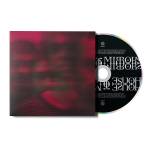
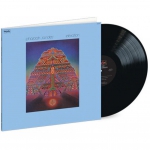
"Thembi" is a landmark LP by visionary jazz saxophonist Pharoah Sanders, released on the legendary Impulse label. Building on the spiritual jazz foundations he helped shape with John Coltrane, Sanders opens "Thembi" up to a more lyrical, groove-oriented and atmospheric sound. The album is characterized by warm, hypnotic bass lines, floating percussion textures and Sanders' unmistakable tenor saxophone, which moves effortlessly between meditative calm and eruptive intensity. Rather than relying solely on extended free improvisation, "Thembi" weaves memorable themes with exploratory passages, giving the record both accessibility and depth. As an LP, "Thembi" shines especially in its analog form: the organic dynamics, subtle tonal nuances and the rich stereo image bring out the dense, spiritual mood of the recording and reward attentive listening from start to finish. This record is often regarded as one of Sanders' most inviting entries into spiritual jazz and a key work for anyone wanting to explore his universe beyond his most intense free-jazz sessions. Pharoah Sanders is one of the central figures of spiritual and avant-garde jazz. After significant collaborations with John Coltrane in the mid-1960s, he developed a highly personal style that combines raw, overblown saxophone sounds with lyrical melodies, African-inspired rhythms and a deep sense of spirituality. Albums associated with his name are frequently cited as milestones of modern jazz, and his work has influenced generations of musicians from jazz, ambient, world music and even electronic music scenes. Impulse is one of the most important jazz labels in history, known for its high production standards, striking artwork and groundbreaking catalogue. Often called "The House that Trane Built" because of its close association with John Coltrane, Impulse has released influential albums by major jazz innovators and has become synonymous with adventurous, high-quality jazz recordings. Owning an Impulse LP usually means owning a piece of jazz history, and "Thembi" is no exception.





 Pop International
353.369
- Asia Pop 9.593- Austro Pop 227- Brit Pop 280- Dutch Pop 9- Euro Pop 50- French Pop 682- Indie Pop/Lo Fi 22- Italo Pop 334- Latin Pop 7.125- MiddleoftheRoad 3.077- Oldies 61- Other Pop 331.264- Party 44- Synthi Pop 292- The 60s 309
Pop International
353.369
- Asia Pop 9.593- Austro Pop 227- Brit Pop 280- Dutch Pop 9- Euro Pop 50- French Pop 682- Indie Pop/Lo Fi 22- Italo Pop 334- Latin Pop 7.125- MiddleoftheRoad 3.077- Oldies 61- Other Pop 331.264- Party 44- Synthi Pop 292- The 60s 309