| Description: | 
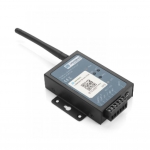
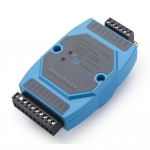
DRAGINO Converter zu RS485 Überblick Der Dragino RS485-LN ist ein RS485-zu-LoRaWAN-Konverter. Er wandelt die RS485-Geräte in ein drahtloses LoRaWAN-Netzwerk um, was die IoT-Installation vereinfacht und die InstallatDRAGINO · Converter · LoRa · LoRaWAN Converter to RS485 · RS485-LN-EU868 (RS485-LN-EU868)The RS485-LN-EU868 is a professional LoRaWAN to RS485 converter from Dragino designed to integrate conventional RS485-based industrial devices into modern LoRaWAN networks. It allows the retrieval and transmission of sensor data, meter readings or controller parameters over long distances with very low power consumption, making it an ideal solution for distributed installations and hard-to-reach locations.
Technically, the RS485-LN-EU868 combines an RS485 interface with an integrated LoRaWAN module for the EU868 frequency band. Via the RS485 port, it can communicate with typical Modbus/RS485 slaves such as sensors, meters, PLCs and controllers. The device periodically or event-based reads out data via RS485 and sends the values encrypted over the LoRaWAN network to a network server or cloud platform. Thanks to the long-range LoRa modulation and the optimized power design, the converter is suitable both for mains-powered scenarios and for energy-efficient, battery-oriented or solar-supported applications, depending on the concrete installation. It supports the LoRaWAN protocol in the EU868 band and is therefore compatible with common LoRaWAN network servers and public or private gateways that operate on 868 MHz in Europe and other regions using this band.
Typical applications include remote monitoring of building technology, energy and water meters, environmental and agricultural sensors, as well as industrial process monitoring. In building automation, existing RS485-based devices (for example heat meters, electricity meters, flow sensors or HVAC controllers) can be easily brought into an IoT platform without laying new communication cables. In municipal or industrial infrastructures, widely dispersed measuring points can be connected via LoRaWAN, allowing data from pumping stations, tanks, substations or field sensors to be collected centrally. The RS485-LN-EU868 is also well suited for smart city applications where, for example, lighting control, environmental measurement points or parking systems communicate via RS485 and need to be integrated into a low-power wide-area network.
A key advantage of this converter is that it protects existing investments in RS485 devices while opening the path to modern, cloud-based IoT solutions. Instead of replacing intact sensors and controllers, you can integrate them cost-effectively into a LoRaWAN infrastructure. The long range and good building penetration of LoRa reduce the need for complex network cabling and additional infrastructure. At the same time, the low power requirements of LoRaWAN help to reduce overall energy consumption on the communication layer and enable installations in places where only limited power is available.
Dragino is a manufacturer known in the IoT and LoRaWAN community for robust, practical devices such as gateways, sensors and converters. The company focuses on open, interoperable solutions that are widely compatible with standard LoRaWAN infrastructures and common cloud platforms. By enabling long-range, low-power data transmission, Dragino products can help to optimize processes and reduce resource consumption in many areas: fewer site visits due to remote monitoring, better utilization of machines and plants, and more precise control of energy and water consumption. This leads to less fuel consumption, lower operating costs and ultimately a reduced environmental footprint in day-to-day operations.
When you choose the RS485-LN-EU868, you not only modernize your infrastructure, but can also contribute positively to sustainability. Remote monitoring and optimized process control help avoid unnecessary journeys, reduce manual readings and support more efficient use of resources such as energy and water. These effects accumulate across many installations and thus contribute to more climate-friendly and economical operation of plants and infrastructures. |